AI Reduces Mammography Workload

Using AI to triage low-risk breast screening exams that don’t need extra review could remove more than three-quarters of mammography cases from radiologists’ workload and allow them to spend more time on high-risk cases. That’s according to a new study in Radiology: Artificial Intelligence that confirms other recent studies. 

Much of recent mammography AI research has focused on its ability to triage low-risk cases to avoid additional radiologist review – saving precious personnel resources.

  • This is particularly valuable in Europe, which uses a double-reading paradigm in which two radiologists review all mammography cases (the U.S. employs single readers but tends to screen women annually rather than every two years). 

The new study comes from France, which employs a slightly different paradigm from the rest of Europe. Double reading is conducted only for lower-risk BI-RADS 1 and 2 cases, while BI-RADS 3-5 go directly to diagnostic workup. 

  • As such, double reading occurs with cases that have low cancer prevalence, which can make it more difficult for radiologists to detect cancers that don’t occur very often.

But what if you offloaded low-risk double reading to AI? 

  • In the new paper, researchers tried that with Therapixel’s MammoScreen AI algorithm, which was employed retrospectively to analyze mammograms from 42.4k women acquired from 2015 to 2019.

AI results were compared to standard radiologist double reading, with the following findings…

  • AI classified 77% of cases as low-risk, meaning these could be safely triaged from the double-reading paradigm.
  • AI missed only one cancer in the low-risk group, a rate the researchers characterized as “small but measurable.” 
  • Eleven cancers were found in the group AI classified as non-low-risk, which would have undergone double reading anyway in the AI triage paradigm.
  • Rates of interval cancer (cancer that occurs between screening rounds) were 5X higher in the cases AI classified as non-low-risk compared to low-risk (2.16 vs. 0.47 cancers per 1k exams). 

Using AI to classify and remove low-risk cases from double reading could therefore save significant resources from the French mammography screening program, with a “small but non-zero risk” of missed cancers.

The Takeaway
The new results track with findings from other recent studies that apply AI to mammography screening, particularly in Europe. While the French reading paradigm is unique, it’s instructive to see that AI maintains its ability to reduce radiologist workload across different types of breast cancer screening programs.

Does AI Still Scare Off Radiology Trainees?

Is AI still scaring off medical students from picking radiology as a specialty? A new study in Academic Radiology found that while prospective radiology trainees don’t seem as worried as they were after radiology AI burst onto the scene in 2015, they still have concerns about how AI will affect the profession. 

Radiology has long been seen as the medical specialty most at risk of broader AI adoption, largely because early AI applications focused primarily on image analysis.

  • These fears led to a widely publicized dip in radiology residency applications after 2016, the year after IBM Watson debuted at the RSNA show and when AI guru Geoffrey Hinton, PhD, issued his famous advice to stop training radiologists. 

But interest in radiology rebounded shortly after that. AI adoption was slower than anticipated, and few hospitals have proven willing to turn over radiologists’ duties to computers. 

  • Given the changes, how have the attitudes of medical students toward AI evolved in the last 10 years? Researchers decided to survey Canadian medical students and residents to find out.

In all, 401 respondents replied to the survey, of whom 13% had ranked radiology as their top specialty choice, with the following findings…

  • Only 2.5% said AI was “extremely influential” in affecting their specialty choice, with 57% saying it had a “slight/moderate impact” and 35% stated “no impact.”
  • AI was more important for those ranking radiology in their top three, with 91% saying AI influenced their decision compared to 54% of those uninterested in radiology. 
  • For those interested in radiology, 33% said AI made them feel discouraged, 13% were encouraged, and 33% reported no AI influence.
  • Those who believed AI would reduce radiologist demand were 50% less likely to be interested in a radiology career.

How to interpret the results? The authors felt the findings showed that AI had either no influence or a slight/moderate effect on specialty choice, but the impact was greater in those who were interested in radiology. 

  • They also saw a “growing polarization” among trainees, in that while many viewed AI as a threat to their job security, some saw it as an opportunity for innovation. 

The Takeaway

Medical students have complex and nuanced attitudes toward AI in radiology, as the new study indicates. But the findings suggest that past fears of radiology AI have evolved into a more measured view that better reflects real-world AI adoption.

You’ve Gone Full Circle. Now Move Forward with Modern Reporting

Say goodbye to PowerScribe 360. Microsoft is sunsetting the legacy platform by ending maintenance renewals in August 2026 and full support in 2027. Conveniently, they’re urging customers to switch to their cloud-based PowerScribe One solution.

For many practices, transitioning to Microsoft’s newer solution or another similar replacement means incurring a new monthly subscription fee just to maintain the same standalone reporting workflow. 

  • Instead of paying to maintain status quo reporting, forward-thinking radiology teams are realizing this forced migration is a rare opportunity to upgrade their operating model.

Moving to a modern, AI-powered platform like CIVR by CIVIE can turn a mandatory technology shift into a better business advantage, with…

  • Cleaner, higher-quality reports: CIVR is radiology-native ASR built to do more than transcribe – it helps radiologists produce cleaner, higher-quality reports with AI-driven dictation, structured reporting support, and clinical concordance intelligence.
  • More than just dictation: Other similar solutions are fundamentally just reporting silos. CIVIE goes further by bundling advanced speech-to-text directly with your RIS, PACS, VNA, RCM, and patient workflows. The result is a unified ecosystem that eliminates vendor sprawl and integration friction.
  • Enterprise security and AI safety: HiTrust certified. SOC 2 compliant. HIPAA BAA. Clinical guardrails on every generated impression.
  • Real-time operational visibility + efficiency: Upgrading to CIVIE unlocks business insights on a granular level, allowing you to track productivity by seat, shift, or individual radiologist. Practices that switched to CIVR have reported a 40% improvement in radiologist productivity and a 60% reduction in operational expense.

PowerScribe 360 helped radiologists move from transcription toward structured reporting. Simple replacements will be familiar, but they won’t be an improvement. 

  • CIVR takes the next step by unifying speech recognition with the rest of radiology operations while still providing the ease of cloud-native architecture.

What our customers and partners are saying: Krishna Das, MD, practices at Sol Radiology in Victorville, California. He shared… 

  • “CIVIE’s AI-powered radiology dictation solution has been an absolute game changer for me. The product [has] taken my efficiency to the next level. I’m able to keep my eyes on images at all times and dictate my findings in real time.”

The Takeaway

No speech-to-text solution on the market has everything radiology, security, IT, and RCM teams need – built in natively. Stop accepting fragmented tools as the cost of doing business. Demand a platform purpose-built for radiology. Better is possible – and done right, it’s cheaper too. Ready to see what that looks like? Request a demo.

Dhruv Chopra is founder and CEO of CIVIE.

AI for Chest X-Ray Varies

Not all AI is created equal when it comes to analyzing chest X-rays. A new study in Radiology found wide variation in performance for seven commercially available chest X-ray algorithms to detect lung cancer. 

X-ray is by far the most widely used imaging modality. Radiography is often the first imaging exam a patient receives, and it frequently serves as a gateway to other more advanced imaging modalities. 

  • But radiography also has well-known shortcomings (which is why advanced imaging is needed for follow-up). Could AI help unlock X-ray’s value and make it more useful?

That’s what a host of AI algorithm developers are banking on, but the wide variety of solutions can create confusion for clinicians.

  • So U.K. researchers decided to hold an AI bake-off, comparing commercially available algorithms from seven developers for detecting lung cancer on chest X-rays. 

The competing companies included Annalise/Harrison.ai, Gleamer, Infervision, Milvue, Oxipit, Qure.ai, and Rayscape. Researchers anonymized performance results from the different products.

In all, chest radiographs from a dataset of 5.2k patients with a real-world lung cancer prevalence rate were included, with researchers finding…

  • Significant variance in algorithm performance by each of the major accuracy measures: sensitivity (21%-78%), specificity (59%-98%), and positive predictive value (1.5%-28%). 
  • All the algorithms increased the number of false positives, and with significant variation. One model generated only 10 more false positives than radiologists, while another produced – wait for it – over 2k. 
  • If used to triage patients for follow-up CT exams, one model would generate $1.6k in additional costs while another would produce $327k.

What accounts for the variation? An underlying factor is most likely differences in the datasets used for model training. 

  • In any event, the study underscores the need for more head-to-head comparisons to determine the strengths and weaknesses of individual AI algorithms. 

The Takeaway

This week’s study on how AI performance varies between commercially available algorithms initially seems disturbing and might suggest a need for stronger regulatory oversight. But AI’s diversity could be its strength in a future where every patient case is analyzed by multiple different algorithms, each with its own advantages. This could ultimately produce a more complete picture of the patient than any one algorithm on its own.

Cochrane Pivots on Prostate Screening

Prostate cancer screening is getting new support from an unlikely source – the Cochrane group, which historically has been skeptical of population-based screening. Cochrane researchers last week published a new report supporting prostate screening, a sharp change from the group’s previous guidance. 

Prostate cancer screening hasn’t achieved the generally accepted status of other cancer screening tests like breast, cervical, colorectal, and lung. 

  • One of the main sticking points has been overdiagnosis. Prostate cancer can often be slow-growing, and many men live for years with prostate disease before dying of other causes.

But that dynamic has been changing in recent years, in large measure due to the ability of MRI to differentiate aggressive prostate cancer from more indolent disease. 

  • Clinicians are incorporating MRI into prostate screening protocols, using it to determine which men with elevated PSA levels should be biopsied and which ones can be followed with active surveillance. 

For its part, Cochrane is an international non-profit research consortium that periodically analyzes the peer-reviewed evidence behind new medical exams and technologies. 

  • But Cochrane’s work has occasionally been controversial: The group last month published a negative review of Alzheimer’s drugs that included treatments that never made it to market. Also, a Cochrane research center in Denmark for years was one of the most vociferous opponents of mammography screening. 

So that’s why last week’s statement on prostate screening is so surprising, especially given that Cochrane’s 2013 review found no evidence to support the claim that screening reduced prostate cancer mortality. 

In the new review, Cochrane analyzed data from six clinical trials in Europe and North America that included 800k men, finding that screening with PSA blood tests…

  • Detected 30% more prostate cancers overall, most at an early stage. 
  • Reduced the relative risk of a metastatic prostate cancer diagnosis by 35%.
  • Reduced prostate cancer mortality by 2 deaths for every 1k men screened (for comparison, mammography’s benefit is estimated to be 6-8 deaths). 
  • For every 1-2 deaths prevented, 36 additional cancers were diagnosed – a possible sign of overdiagnosis. 

What changed? Cochrane researchers said that we now have longer-term data that makes it easier to detect screening’s subtle mortality benefit.

  • They also cited the success of technologies like MRI in reducing unnecessary biopsies – and the harms of overdiagnosis.

The Takeaway

Last week’s news suggests that the ground is shifting under prostate cancer screening in favor of broader use of the exam, potentially with MRI follow-ups. If you can convince a screening-skeptical group like Cochrane of prostate screening’s value, you can convince anyone. 

AI for PE Detection: ‘Selective but Meaningful’

AI made a “selective but meaningful” contribution to radiologist interpretations of CT pulmonary angiography scans for pulmonary embolism. The study, published in Radiology: Artificial Intelligence, offers valuable insights into real-world implementation of AI on a large scale. 

One of the major criticisms of AI is that algorithms used in real-world clinical situations don’t perform as well as they do in the controlled environments that vendors use to acquire data for regulatory submissions.

  • AI performance can drop off as much as 20 to 30 percentage points for important metrics like sensitivity and specificity. 

The new study sought to investigate this phenomenon by analyzing a real-world implementation of Aidoc’s AI algorithm for PE detection. 

  • Researchers assessed the algorithm’s performance for analyzing CTPA exams across a variety of clinical environments in an integrated health network, including the emergency department and inpatient and outpatient settings. 

Scans of 29.5k patients acquired from 2021 to 2023 were included. AI analyzed images in real time, after which exams were interpreted by radiologists who knew the AI findings. Researchers found…

  • Radiologists using AI had higher sensitivity than the algorithm on its own (99% vs. 85%).
  • Specificity was more or less the same (99.8% vs. 99.5%).
  • Agreement between radiologists and AI was high (98%).
  • Agreement was higher when AI assessed cases as negative rather than positive (98% vs. 94%).
  • Radiologists disagreed with AI in 2.2% of cases. The final determination by a panel of expert thoracic radiologists strongly favored radiologists (89%).
  • Of the 3.3k cases positive for PE, 0.81% were detected only by AI – or 26 cases.

In analyzing the results, the researchers characterized AI’s contribution as “selective but meaningful.”

  • AI-positive results meant scans might require more scrutiny from radiologists, while an AI-negative call might be supportive – but not definitive – for negative PE.

The Takeaway

The new study of AI for PE detection is a fascinating look at real-world AI deployment. While the sensitivity, specificity, and agreement numbers are interesting, what draws our attention is the 26 PE cases caught only by AI over 18 months of use. That boils down to 26 patients whose clinical condition wasn’t missed, and 26 potential malpractice lawsuits that were never filed.

Pediatric MRI Safety Surveyed

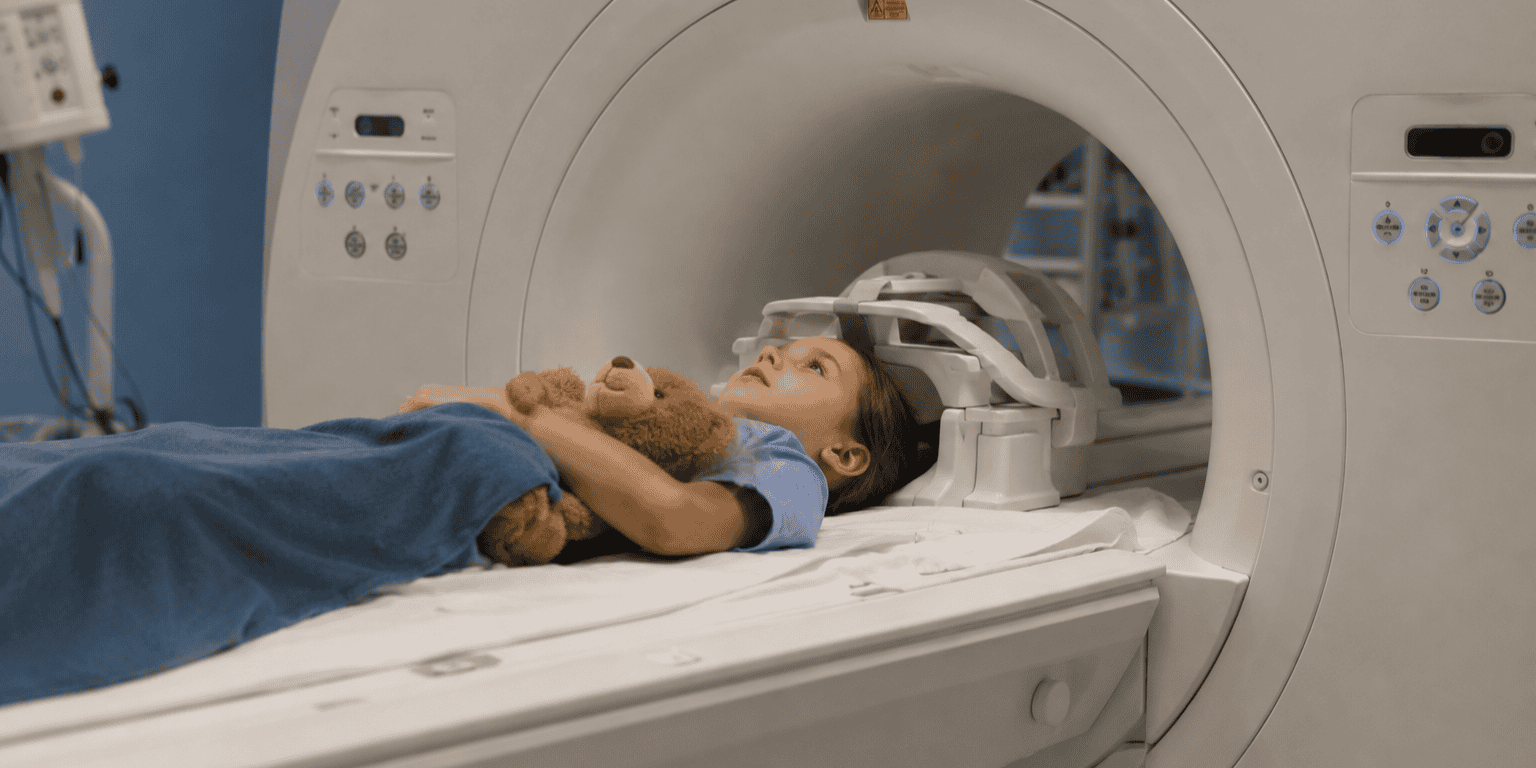
This past year has seen a renewed focus on MRI safety after a fatal accident in New York in 2025. Most of the attention has been on adult MRI, but what about kids? A new analysis in JACR finds that pediatric MRI accidents are fortunately rare, but occur often enough that continued vigilance is warranted. 

Pediatric MRI poses particular safety challenges to imaging facilities. Caregivers are often in the scanning room to comfort children, and sedation is frequently required to keep kids still during exams. 

  • But pediatric MRI safety hasn’t been studied as extensively as it has in adults, so researchers from five U.S. children’s hospitals reviewed MRI safety events that occurred at their facilities from 2017 to 2022.

Researchers focused on reported events that occurred within Zone IV, the area under the ACR’s four-zone safety model that includes the scanner room. They found…

  • A total of 146 safety events occurred in Zone IV out of 541k pediatric exams, for an event rate of 0.027%. 
  • An average of 4.9 events per year occurred at each site, or 3.3 events per 100k exams.
  • Event types involved projectiles (30%), burn/thermal injuries (13%), and implants (10%).
  • 78 events (53%) directly involved patients.
  • Ten events (6.8%) were classified as serious.

Frequent causes of events included medical equipment and supplies (anesthesia equipment and monitors, stethoscopes, and needles) and personal items like phones and badges.

  • Implanted devices like cochlear implants represent a growing challenge, as 20%-30% of children getting MRI scans have them, and safety events occurred despite sites following manufacturers’ guidelines. 

Why did the safety events happen? Study authors found that MRI safety protocols weren’t followed in 60% of events.

  • Lack of protocol adherence is a common refrain in MRI accidents that have involved adults, illustrating that all the guidelines and rules in the world won’t help if they aren’t followed to the letter.

The Takeaway

The new study on pediatric MRI safety highlights the fact that children shouldn’t just be treated like little adults when it comes to safe scanning procedures. The research offers a benchmark against which pediatric imaging facilities can measure themselves, while also offering additional guidance on mistakes to avoid when scanning kids.

Imaging Predicts Disease by Analyzing Tissue Composition

Two new studies published this week highlight the exciting potential of medical imaging scans to guide preventive health by analyzing the composition of tissues like muscle and fat. The research suggests that imaging can predict a person’s risk of serious disease years before symptoms occur.

Previous research has shown that the composition of various types of body tissue can serve as biomarkers for future health problems, particularly cardiovascular disease and metabolic issues like diabetes.

  • Advances in AI analysis are driving much of the new understanding, as increasingly powerful deep learning algorithms are emerging that can analyze massive quantities of imaging data and compare tissue composition to databases of normal scans.

The new studies – both published in Radiology – test this concept on a large scale. In the first, researchers in Germany reviewed MRI data from over 66k people who got whole-body MRI scans as part of large population health studies (UK Biobank and German National Cohort, or NAKO). 

  • They used deep learning algorithms to create z-scores of tissue composition metrics and correlated those measurements to the risk of developing conditions like diabetes and cardiac events, as well as all-cause mortality.

Researchers found…

  • High visceral adipose tissue indicated higher risk of incident diabetes (HR = 2.26).
  • High intramuscular adipose tissue was connected to major adverse cardiovascular events (HR = 1.54).
  • Low skeletal muscle was linked to all-cause mortality (HR = 1.44).

In the second study, researchers focused on 11.3k participants in the NAKO study who got whole-body 3T MRI scans.

  • Researchers used software to analyze two tissue composition metrics, paraspinal intermuscular adipose tissue (IMAT) and lean muscle mass (LMM), which only recently have been connected to metabolic dysfunction.

The authors found…

  • Increased IMAT was associated with higher risk of hypertension and atherogenic dyslipidemia, a lipid imbalance associated with metabolic dysfunction and diabetes risk (HR = 1.67 and 1.82, respectively).
  • Higher LMM was a marker for better health in men, and was linked to lower odds of hypertension and atherogenic dyslipidemia (HR = 0.34 and 0.49, respectively). 

The Takeaway

The new studies build on previous research to show how the combination of imaging-derived biomarkers and AI-based analysis can pinpoint currently healthy people who might be at higher risk of future disease. The implications are exciting for anyone who believes radiology can play a greater role in guiding population health.

Radiologist Tapped As Surgeon General

Could America’s next top doctor be a radiologist? The radiology world – and the rest of U.S. healthcare – was stunned late last week when the Trump Administration nominated radiologist Nicole Saphier, MD, to be surgeon general, replacing previous nominee Casey Means, MD.

If confirmed, Saphier’s nomination would be the first time a board-certified radiologist has held the position, which typically goes to physicians with experience in public health rather than medical specialists.

  • Trump nominated Means for the position in May 2025, but the nomination languished over concerns about Means’ experience, her lapsed medical license, and her tepid support for vaccines.

On the other hand, Saphier is an actively practicing radiologist who serves as director of breast imaging at Memorial Sloan Kettering Monmouth in New Jersey.

  • She’s also been a frequent contributor to Fox News, where she appeared on the conservative network’s “Fox & Friends” morning show as an expert on public health policy. 

Saphier was born and raised in Arizona, where she completed her radiology residency and was involved in efforts in 2014 to pass breast density notification legislation in the state. 

  • She moved to New Jersey later that year and worked in a private-practice breast imaging center before taking the position she currently holds at MSK Monmouth. 

Saphier has always been active on social media (her X account has 364.4k followers), due to her belief that radiologists should be more visible to patients.  

  • It was that presence that initially drew the attention of Fox News producers, and Saphier began appearing on the network in 2016 to comment on public policy issues (her involvement with Fox ended with the nomination announcement).

Saphier’s nomination is already drawing critics who are combing over her history of statements on vaccines and the government response to the COVID-19 pandemic. 

  • In general, Saphier has expressed skepticism about government involvement in healthcare, but most of her beliefs fall within the mainstream of U.S. public health policy, which should bode well for her nomination.

ACR issued a statement supporting Saphier’s nomination, noting her work with the group on several public policy issues and observing that if confirmed, “Saphier would be the highest-ranking radiologist ever in government service.”

The Takeaway

Politics aside, Saphier’s ascension as surgeon general could have huge benefits for radiology in general and breast imaging in particular. Saphier has consistently supported mammography screening and issues like breast density awareness, and should her nomination succeed, radiology would find itself with an ally at the highest levels of the U.S. government. 

Get every issue of The Imaging Wire, delivered right to your inbox.