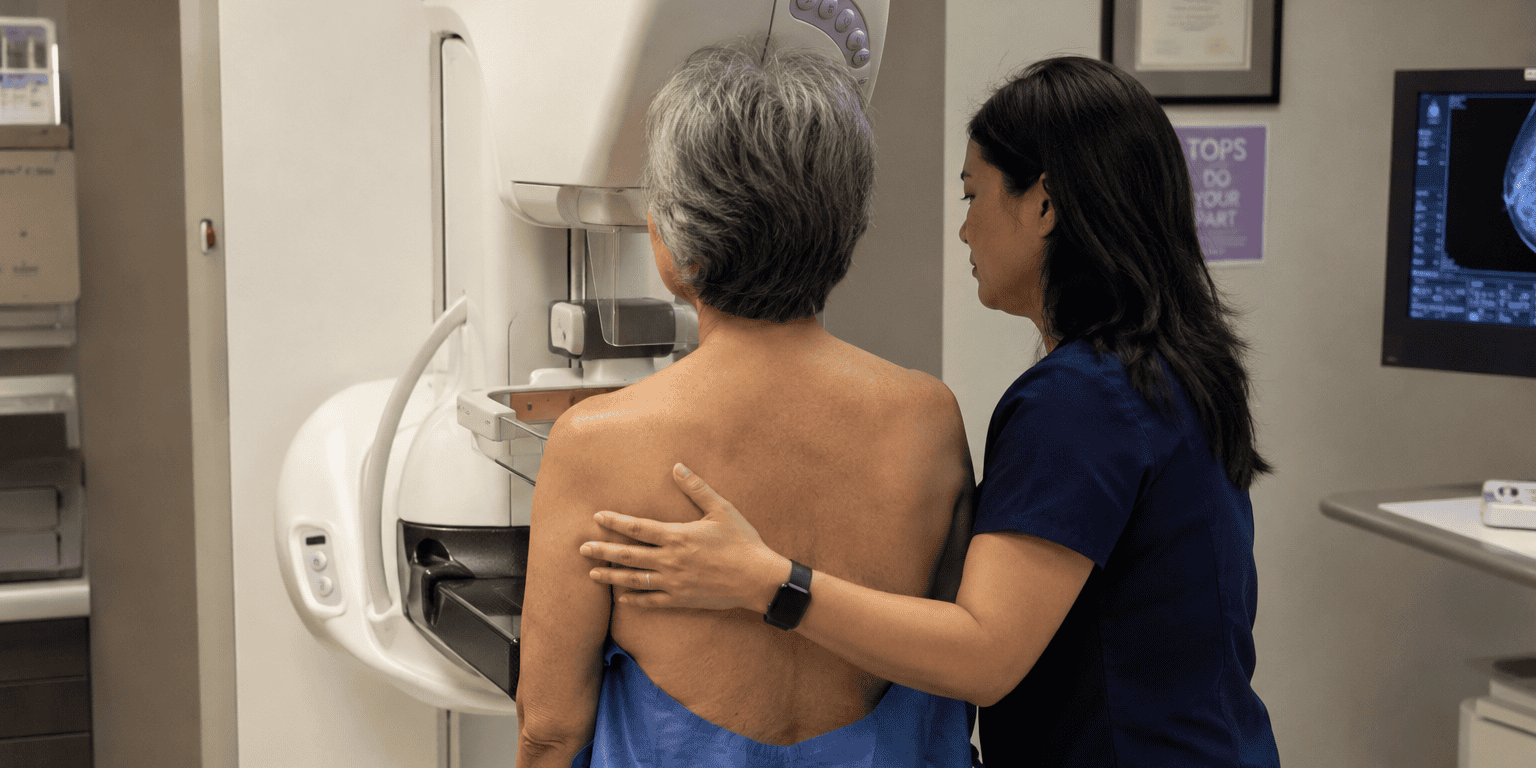
Could MRI Move the Needle in Prostate Cancer Workup?

Traditional systematic biopsy can miss clinically significant prostate cancers and often causes discomfort for patients along the way. While many countries have added MRI to prostate cancer workup protocols to determine which patients really need the needle, pre-biopsy MRI is used in only about one-third of U.S. prostate cancer workups – why?

More organized prostate cancer screening programs are popping up across the world. But a big challenge remains: deciding which patients with elevated PSA tests should undergo biopsy, and which ones can avoid or defer biopsy. That’s where MRI comes in…

  • ​​Australia, Canada, the U.K., and much of Europe have all adopted pre-biopsy MRI scans as the standard of care.
  • Pre-biopsy MRI scans are noninvasive and much more sensitive than traditional systematic biopsies, which typically obtain 10-12 cores to find lesions (93% vs. 50%).
  • The pace of MRI adoption for prostate cancer workup reflects ongoing disparities, with Black patients, people living outside cities, and Medicaid-eligible populations less likely to have access.

So, what’s the holdup in the U.S.? A new STAT article broke it down, finding:

  • Many U.S. urologists haven’t been trained in using MRI findings and/or performing MRI-targeted biopsy.
  • MRI access is still an issue across the country, especially in rural areas.

But something else may factor in: money. 

  • Biopsies can often be done in-house, so each procedure could mean up to $1.5k in reimbursement. 
  • Biopsies can detect low-grade cancers that might never become clinically significant, potentially leading to additional surveillance and repeat biopsies, which also generate revenue. 
  • Greater MRI use could reduce biopsy-related revenue.

Still, some organizations say yes to pre-biopsy scans, including the National Comprehensive Cancer Network, the American Urological Association, and the American Society of Clinical Oncology (albeit conditionally for the latter two).

  • Plus, a 2020 paper won over insurance companies to cover prostate MRI — but not all clinicians know that.
  • MRI scans have also proved helpful in other areas, like staging prostate cancer.

What could move the needle?

  • Training, ideally in urology residency, to overcome the knowledge gap early.
  • Education aimed at urologists and patients about reimbursement options and clinical benefits.
  • Improved access to high-quality MRI across the U.S.
  • Unified, implementation-focused programs like the one trialed in the Czech Republic, which led to a 10-percentage-point increase in pre-biopsy MRI utilization.

The Takeaway

The STAT article shows the U.S. is lagging far behind other countries in using MRI to diagnose and manage prostate cancer with more precision. Even though some major medical organizations are on board, broader implementation of MRI for patient workup requires overcoming limited training, barriers to technology access, and financial incentives that may favor biopsy.

Gaps in Global Cancer Burden Widen

About 20.6M people worldwide were diagnosed with cancer in 2024, a nearly 7% increase from 2020, WHO estimates. The number is sobering, and while the organization’s Global Status Report on Cancer 2026 revealed progress is being made, it isn’t being made equally.

The global cancer burden remains high.

  • Cancer led to nearly 17% of all global deaths in 2021 and was estimated to be the leading cause of premature deaths in 41 countries. 
  • As of 2024, breast cancer made up 25% of diagnoses in women. Lung cancer led male diagnoses, making up 16% of cancer incidence. 
  • Much of the burden is falling on younger populations: Nearly half of the 9.7M cancer-related deaths in 2024 were among people aged 30 to 69. 

WHO’s initial 2020 report set priorities to improve care — now it’s time for a temperature check. Some things have gotten better:

  • Global tobacco use decreased by 27% from 2010 to 2025.
  • HPV vaccination programs in 85% of countries have reduced infection-related cancers by 22%.

But it’s not all good news. Insufficient progress has been made in…

  • Radiotherapy access, with no radiation facilities at all in 23 low- and middle-income countries (LMICs).
  • Diagnostics, with 47% of populations lacking access to basic diagnostic services.

Breast cancer statistics bear out these disparities.

  • 28% of LMICs have an early diagnosis rate >60% versus 91% of high-income countries (HICs).
  • Early diagnosis = better survival odds. Many HICs had 5-year survival rates 4x higher than some sub-Saharan African countries, where the average 5-year survival rate was 39%.

The findings may sound familiar. Several U.S. studies have linked socioeconomic disparities to decreased screening rates – WHO’s report shows this distressing trend on a global scale. 

Still, WHO offers recommendations to mitigate the unequal burden of cancer. They outline seven specific shifts in capabilities, protections, and priorities that can be made by governments, clinicians, and civilians alike. They include: 

  • Embedding cancer control in universal health coverage.
  • Strengthening health system capacity.
  • Enhancing social protections.
  • Including individuals with lived experience of cancer in decision-making.
  • Promoting transparent data.
  • Aligning research with the needs of LMICs.
  • Unifying the global cancer agenda. 

The Takeaway

While WHO’s 2026 report on global cancer shows the world has made headway in battling the cancer burden, huge disparities in access to screening and treatment make it hard to celebrate just yet. Low- and middle-income countries continue to face decreased treatment access and survival rates, especially in breast cancer.

Get every issue of The Imaging Wire, delivered right to your inbox.