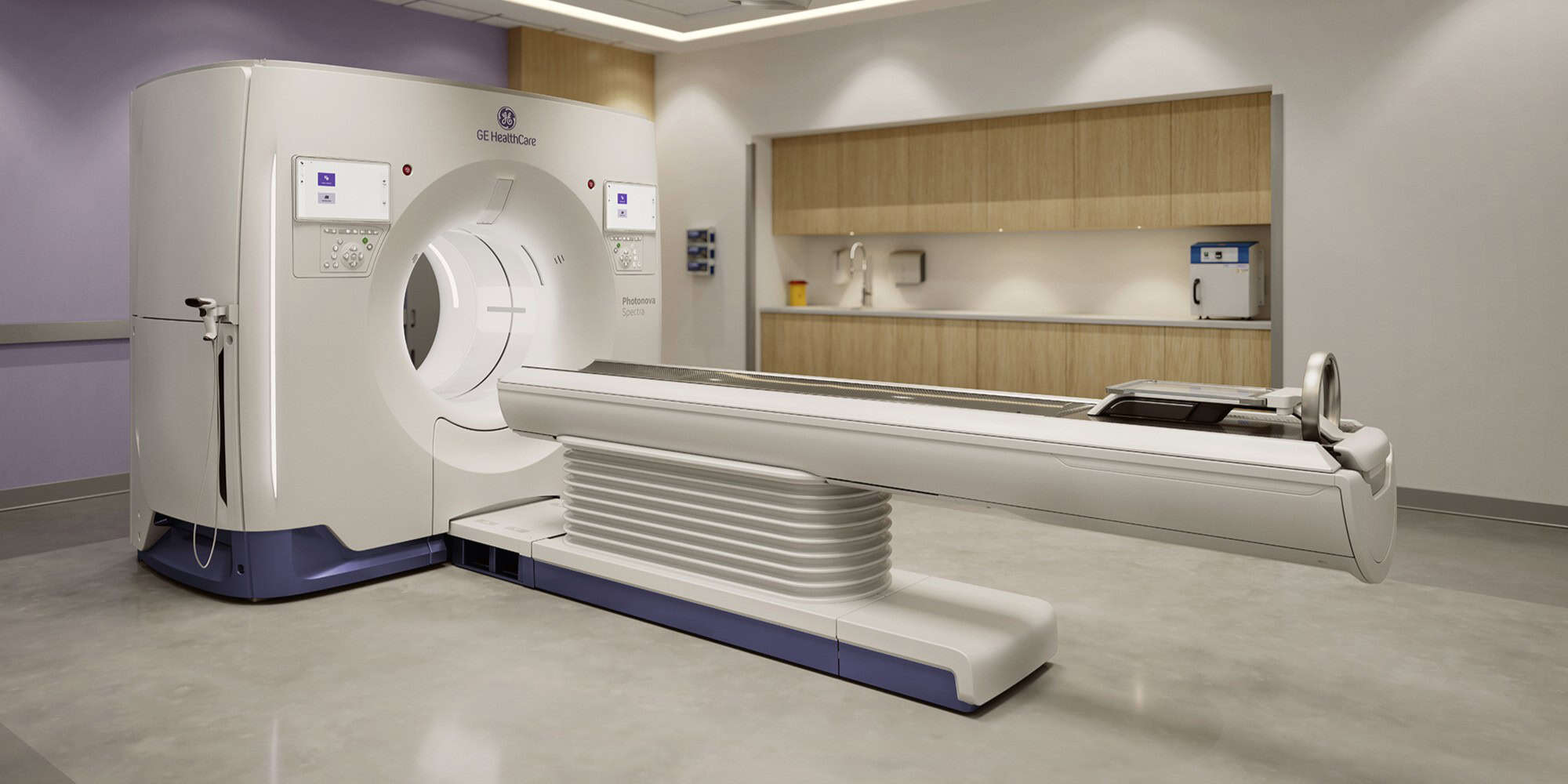
When it comes to stroke, time is brain. And the faster stroke patients can be diagnosed, the sooner brain-saving treatment can start. Researchers in Germany found that sending stroke patients to hospitals equipped with CT scanners and telemedicine connections might be more effective than transferring them directly to specialized stroke centers.
CT is critical for assessing stroke patients and determining whether they should receive intravenous thrombolysis with clot-busting drugs or endovascular thrombectomy with catheter-guided devices.
- It’s particularly important that patients be treated within the “golden hour” of stroke symptom onset, as every 10 minutes of delay results in eight weeks of healthy life lost.
Specialized stroke centers outfitted with dedicated equipment have sprung up to deliver better care, but they’re not that common and patient transfers can take extra time.
- Far more common are hospitals with CT scanners, giving rise to the suggestion of a hub-and-spoke model in which patients are sent first to a hospital equipped with CT and telemedicine for diagnosis and initial thrombolysis (the spoke), and then on to a specialized center (the hub) if necessary.
This approach is tested in a new study in The Lancet Regional Health – Europe, in which German researchers performed a modeling study to see how hub-and-spoke stroke treatment compared to direct transfer to specialized stroke centers.
- They developed a map of CT-equipped hospitals and dedicated stroke centers in Germany, and calculated minimum travel and time benefits in 10-minute thresholds.
The researchers found that of Germany’s population…
- 76% were within 15 minutes of at least one hospital with on-site CT, and 99% were within 30 minutes.
- 51% were within 15 minutes of a stroke-ready hospital (hospitals that treat a set number of stroke patients but aren’t yet certified), and 90% within 30 minutes.
- Only 46% lived within 15 minutes of a stroke-certified hospital, a figure that grew to 85% within 30 minutes.
- 36% would reach a CT-equipped hospital at least 10 minutes faster than a certified stroke unit.
Not surprisingly, there were geographic differences in accessibility, with urban areas having good access to specialized stroke centers but rural and underserved areas less so (90% vs. 55%).
- So the hub-and-spoke model might be better suited for rural areas while the direct transfer approach would still work for urban zones.
The Takeaway
While this study was conducted in Germany, its lessons could be applied to any country that has to juggle healthcare resources with clinical demands. The question is how much the findings might be impacted by new technologies like mobile stroke units and AI-based stroke assessment.